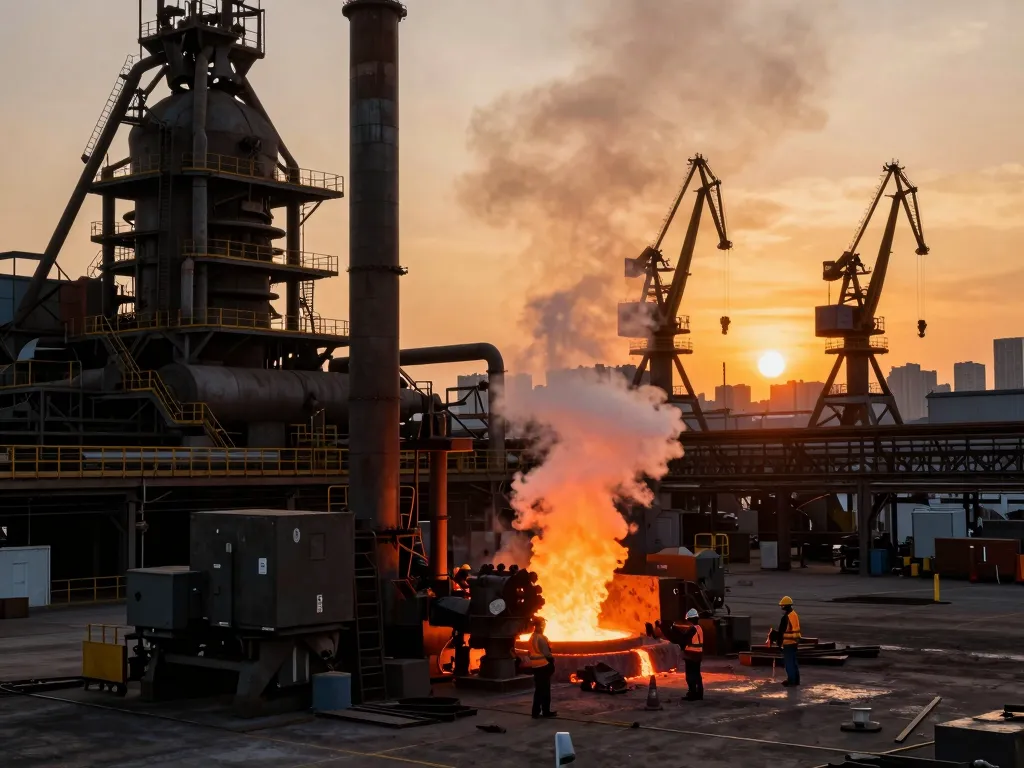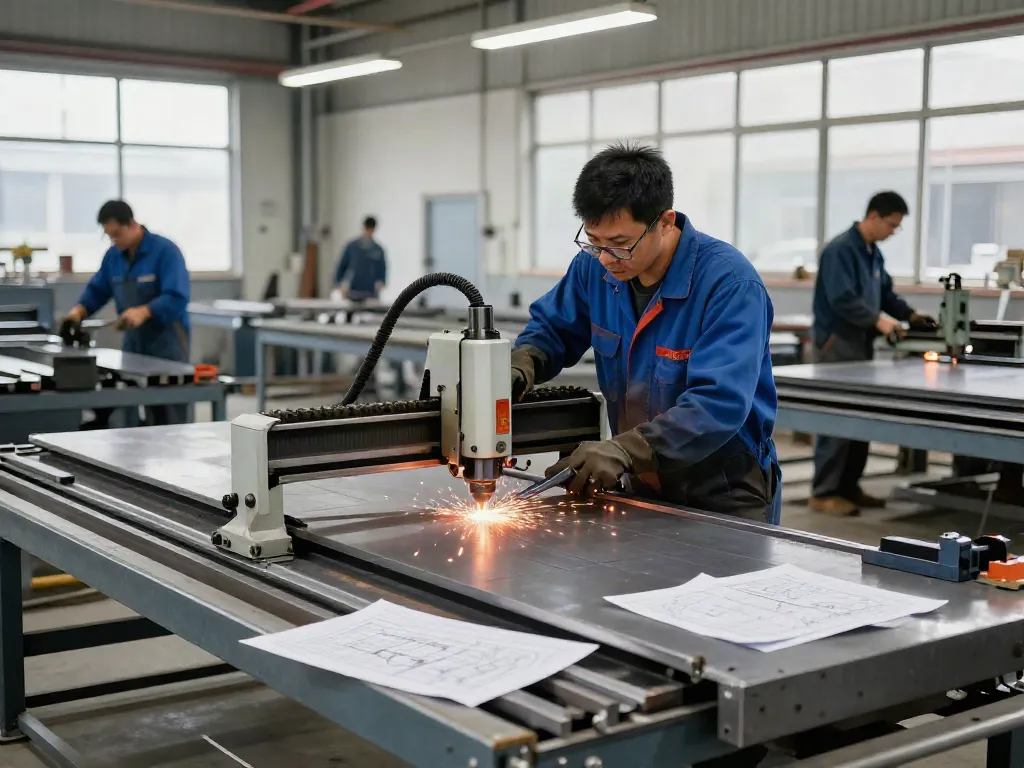
The Evolution of Metal Fabrication in the UAE
Metal fabrication has undergone significant transformations over the decades, especially in the UAE, where the construction industry has rapidly evolved. The demand for high-quality Metal fabricators has surged as developers and homeowners seek innovative solutions for metal gates, railings, and other architectural designs. This article delves into the intricacies of metal fabrication, its historical context, and contemporary trends shaping the industry.
Understanding Metal Fabrication: Definition and Importance
Metal fabrication involves the process of creating metal structures through cutting, bending, and assembling various materials. This craft is essential for producing everything from small components to large structures. The importance of metal fabrication lies in its ability to provide durable, high-strength solutions tailored to specific project requirements. In the UAE, where the architectural landscape is both diverse and ambitious, skilled metal fabricators are crucial to ensuring that designs are executed correctly and efficiently.
Historical Perspective: Metal Fabrication in Fujairah
Fujairah, being one of the seven emirates, has a rich history of metal fabrication that dates back decades. Al Taher Group, for instance, has been at the forefront of this evolution since 1984, specializing in various metalworking services. Initially starting as a small carpentry workshop, the group has expanded its offerings to include state-of-the-art metal fabrication techniques, showcasing the growth of the industry alongside the development of the region's infrastructure.
Current Trends in Metal Fabrication Techniques
Modern metal fabrication techniques in the UAE now incorporate advanced technologies such as computer-aided design (CAD) and automation. These innovations allow for precision crafting and a higher degree of customization that meets the specific needs of homeowners and developers. Moreover, the growing emphasis on sustainability has led to the adoption of eco-friendly practices within metal fabrication, including the recycling of scrap metals and the use of energy-efficient machinery.
Why In-House Fabrication Matters
The choice of in-house fabrication is pivotal for achieving quality and efficiency in metal works. When exploring options, Metal fabricator services often provide comprehensive insights into the benefits of this approach.
Benefits of Streamlined Production Processes
Managing the entire fabrication process in-house ensures a seamless production workflow. From the initial design to the final installation, every stage is handled by skilled professionals who understand the importance of quality control. This not only minimizes delays caused by subcontractors but also enhances communication and accountability throughout the project lifecycle.
Quality Control: Ensuring High Standards
In-house fabrication allows businesses to maintain strict quality control measures. By overseeing every aspect of the fabrication process, companies can ensure that their products meet the highest standards of durability and aesthetic appeal. This is particularly critical in a coastal region like Fujairah, where environmental factors can impact the longevity of metalworks.
Design Flexibility and Customization Options
Another key advantage of in-house fabrication is the ability to offer clients a wide range of design options. Customization becomes much more feasible when the fabricator can tweak designs according to client feedback in real time. This flexibility is appealing to both residential and commercial clients looking for unique solutions that stand out.
Challenges Faced by Metal Fabricators in Coastal Regions
Metal fabricators in coastal regions like Fujairah face unique challenges that can affect the longevity and performance of their products. Understanding these challenges is vital for developing effective solutions that ensure the durability of metal structures in such environments.
The Impact of Saltwater and Humidity on Metalworks
The Gulf coastal climate, characterized by high humidity and salt-laden air, poses significant risks to metalworks. Corrosion is the primary concern, as salt can accelerate the deterioration of untreated metals. Fabricators must choose materials and coatings wisely to combat these concerns effectively.
Mitigating Corrosion: Best Practices for Coating
To mitigate the effects of corrosion, it’s crucial to utilize high-quality coatings and finishes. Techniques such as powder coating are valuable as they provide a protective barrier that enhances the lifespan of metal products. Furthermore, regular maintenance and inspections can help to identify and treat early signs of corrosion before they lead to substantial damage.
Handling Design Changes in Dynamic Environments
Design flexibility is often tested in dynamic environments where changing client needs and unexpected site conditions can arise. Metal fabricators must be prepared to adjust designs on the fly without compromising quality or increasing costs. This adaptability is a hallmark of experienced fabricators who understand the intricacies of the industry.
Real-World Applications: Case Studies from the UAE
The versatility of metal fabrication is evident in various projects across the UAE, ranging from residential installations to large-scale commercial designs. Case studies showcase how skilled fabricators have delivered innovative solutions tailored to specific requirements.
From Residential Gates to Commercial Installations
For example, metal gates designed for villas are not just functional barriers; they also serve as a statement of style and security. In commercial contexts, metal frameworks are essential for supporting architectural designs that push the boundaries of traditional construction. Such applications highlight the importance of partnering with proficient metal fabricators to achieve desired outcomes.
Insights from Successful Projects Across Emirates
Successful projects often rely on the expertise of metal fabricators who can navigate complexities and deliver results on time. For instance, vast commercial developments in Dubai have utilized in-house fabrication to ensure that designs met both aesthetic and structural standards while adhering to tight deadlines.
Contractor Testimonials: Experiences with Metal Fabrication
Contractor testimonials often reflect the significance of reliable fabrication partners who can meet evolving project demands. Many have chosen to work with vendors who offer in-house capabilities, resulting in smoother workflows and enhanced project outcomes.
Future of Metal Fabrication: Innovations to Watch
As technology continues to advance, the future of metal fabrication looks promising. The integration of new technologies and sustainable practices will play vital roles in shaping the industry's direction.
Emerging Technologies in Metalworking
Emerging technologies such as 3D printing and laser cutting are revolutionizing the way metal parts are created, enabling unprecedented precision and efficiency. These innovations allow fabricators to produce complex geometries that were previously unattainable.
Sustainable Practices in Metal Fabrication
In response to increasing environmental concerns, metal fabrication companies are adopting sustainable practices. This includes minimizing waste through optimized cutting techniques and utilizing recyclable materials wherever possible. These actions not only benefit the environment but also enhance the reputability of the fabricators.
Preparing for Future Trends in the Industry
To stay relevant, metal fabricators must be proactive in adopting new technologies and innovative processes. Continuous learning and adaptation to market demands will ensure ongoing success in an ever-evolving industry.
What does a Metal Fabricator do?
A metal fabricator is responsible for creating custom metal parts according to specific designs. This includes tasks such as cutting, bending, and assembling various materials to produce finished products that meet client specifications.
Is a Metal Fabricator the same as a welder?
While the roles of metal fabricators and welders can overlap, they are not the same. Metal fabricators encompass a broader scope of work, including design and assembly, while welders primarily focus on the joining of metal parts through welding techniques.
Do metal fabricators make good money?
Metal fabrication can be a lucrative career, especially for those with specialized skills and experience. Earnings can vary based on the complexity of the work and the region, but skilled metal fabricators are often well-compensated for their expertise.
What industries utilize metal fabrication?
Metal fabrication is utilized across various industries, including construction, automotive, aerospace, and manufacturing. Each sector requires tailored solutions that meet specific performance and regulatory standards.
How to choose the right metal fabricator for your project?
Choosing the right metal fabricator involves evaluating factors such as experience, quality of past work, technological capabilities, and customer service. Potential clients should seek fabricators who demonstrate a proven track record of successfully completed projects and who align with their specific needs and goals.